Quiet Intelligence for Minimalist Spaces

Welcome to a journey into discreet smart home integrations that blend seamlessly into minimal decor. We will explore how technology can support daily rituals without stealing attention, using materials, color, and silent intelligence to keep rooms tranquil. Expect practical strategies, small victories, and honest lessons from real projects. Share your challenges, ask anything, and subscribe to follow fresh experiments that keep calm at the center of every decision.

Design Principles That Disappear into Calm Interiors

Minimal interiors reward restraint and clarity. To fold sensors, speakers, and controls into serene rooms without visual friction, begin with proportion, surface logic, and consistent material language. Align edges, conceal seams, and let shadow do the talking. Aim for comfort that feels effortless: capabilities immediately available, yet visually quiet, so visitors simply notice how settled the space feels rather than the equipment that enables the experience.

Infrastructure Without Visual Noise

The quietest systems are planned before paint ever dries. Power, network, and mounting points should be mapped to joints and cavities, anticipating future upgrades without new holes. Choose low-profile boxes, paintable grommets, and accessible conduits. Think about airflow for hidden equipment, silent cooling strategies, and service loops that allow replacement without demolition. Calm surfaces rely on backstage organization that remains invisible even during maintenance.

Hidden Power and Low-Profile Cabling

Run power through baseboards with removable tops or within cabinet plinths, guiding cables up through shadow gaps behind millwork. Use flat Ethernet where crossing thresholds is unavoidable and color-match clips to skirting. Consolidate multiple low-voltage lines into a single braided sleeve, labeled at both ends. The objective is graceful access when required and a daily view free from tangles, plastic shine, or awkward bulges under light.

Network Reliability Without Clutter

Place access points behind fabric panels or perforated shelves to avoid signal loss, and stagger channels to prevent interference. A single, well-located access point beats many visible nodes. Opt for PoE where possible to reduce wall warts, and maintain a documented map of SSIDs, passwords, and device names. Invisible reliability transforms interactions into muscle memory: lights respond gently, scenes shift smoothly, and peace remains unbroken.

Interfaces That Whisper, Not Shout
Interfaces shape how rooms feel. In quiet spaces, feedback should be perceptible yet restrained, using glanceable light, soft haptics, and respectful voice responses. Replace crowded switch banks with contextual controls, and let automations handle repetitive tasks. Thin-lined icons, warm dimming curves, and gentle motion sensitivity foster an environment where interactions feel like natural pauses in a conversation rather than abrupt commands or theatrical announcements.

Ambient Light Cues with Purpose

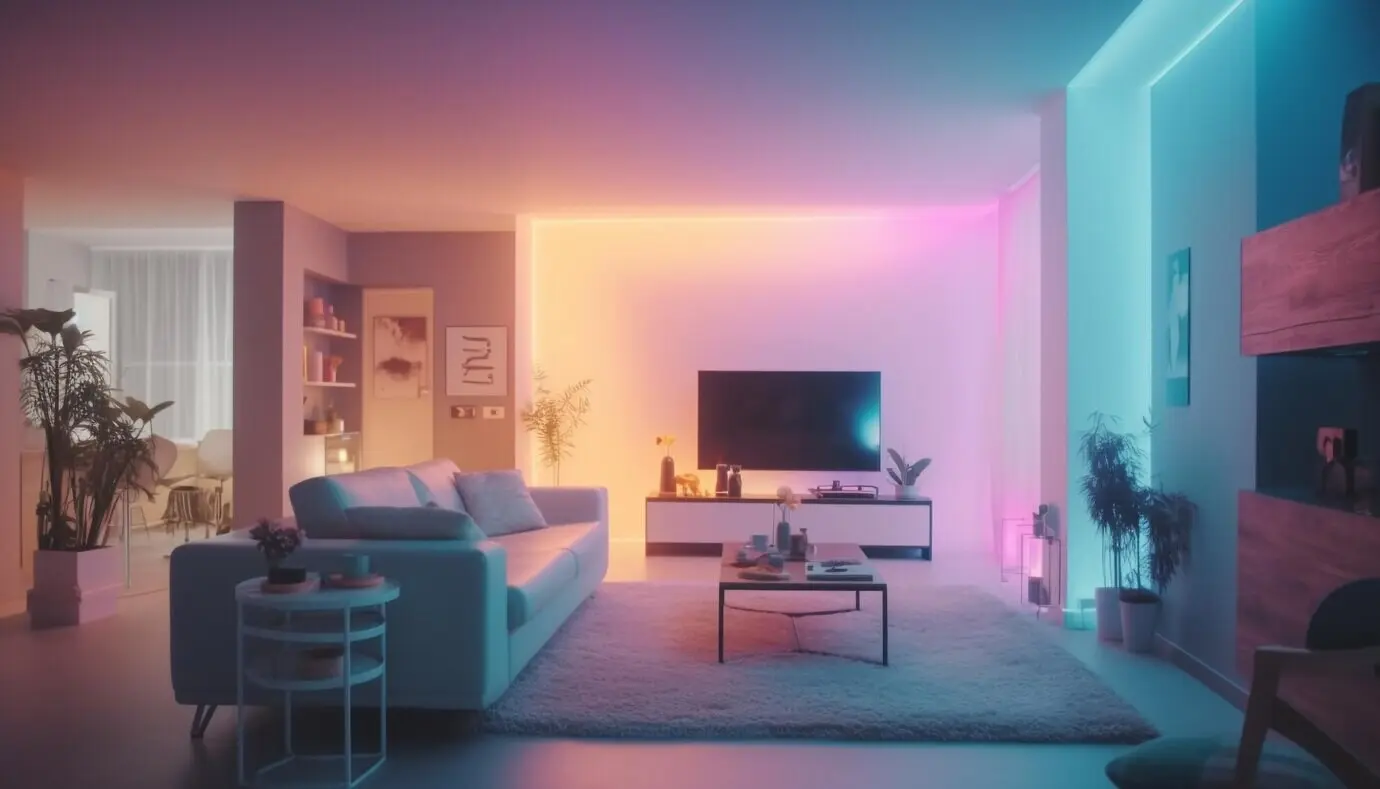
Favor small, warm indicators that rise subtly with daylight and dim toward evening. A single pixel of glow can confirm a scene without announcing itself. Hide LEDs behind fabric, or bounce them off walls to avoid direct glare. Reserve vivid colors for alerts only. The result is a language of light that communicates clearly while honoring the meditative softness essential to minimal interiors and restful routines.

Tactile Controls Disguised as Decor

Engraved stone touchpads, wood-veneered buttons, and metal knurled dials can echo surrounding materials while offering precise control. Program long-presses for rarely used scenes and keep short taps for everyday actions. The tactile feel should invite use without visual showmanship. Consider subtle haptics that affirm a selection without sound. Hands remember textures faster than icons, creating habits that feel intimate, quiet, and delightfully dependable over time.

Rooms Reimagined with Invisible Capabilities

Case studies reveal how discretion transforms everyday life. In each room, consider light, acoustics, scent, and movement before selecting equipment. Seek solutions that seem almost coincidental: doors gliding open, screens appearing only when needed, and scenes anticipating mood. Real stories show mistakes too—overbright indicators, audible fans, and mismatched finishes—so you can avoid them. Improve gradually, honoring the room’s quiet heartbeat at every iteration.

Privacy, Security, and Ethics in Quiet Automation

Calm design extends to trust. Systems that vanish visually should also minimize surveillance and data trails. Prioritize local processing, anonymization, and clear consent for guests. Use physical disconnects for cameras, robust encryption, and human-readable logs. Plan graceful failure modes that default to safety without blaring alarms. Ethical choices preserve dignity, sustain confidence, and help technology feel like a considerate companion rather than an unseen observer.
Collect only what you truly need, purge aggressively, and disable defaults that over-share. Short retention windows, on-device detection, and hashed identifiers reduce exposure. Provide a visible guest mode with one-tap opt-out. Document policies so household members understand decisions. Privacy becomes part of the aesthetic: light, precise, and unburdensome. Quiet rooms deserve quiet data practices that respect boundaries as carefully as color palettes and material joins.
Favor hubs that handle automations offline, keeping routines functioning during outages. Cameras can record locally with encrypted drives tucked behind panels. If connectivity fails, switches still toggle essentials and shades pause safely. Test power-loss behavior before installation day. Reliability without spectacle builds trust, making the entire system feel like architecture rather than gadgetry. A calm fallback plan is as beautiful as any perfectly flush-mounted sensor.

Practical Starter Guide and Budget Paths

Begin small, learn fast, and scale intentionally. Start with one room, mapping routines and light patterns before buying hardware. Choose interoperable standards to avoid painted corners. Allocate budget where senses notice most: lighting quality, acoustic treatment, and silent ventilation. Track improvements against stress levels and maintenance time. Invite feedback from household members, iterate slowly, and celebrate each invisible upgrade that makes your minimal space calmer and more capable.

Audit, Prioritize, and Prototype

Walk through a day with a notepad, highlighting friction points like awkward switches or noisy fans. Prototype with temporary tape, battery sensors, and smart plugs before committing. Validate dimming curves at night and sensor ranges with guests. When confidence rises, hide infrastructure permanently. This approach protects budgets, calms nerves, and produces honest results that match your habits rather than a glossy, short-lived shopping list gathered in haste.

Material Swatches and Vendor Alignment

Request real samples of fabrics, veneers, and metal finishes from both integrators and furniture makers to ensure true matches. Photograph under your lighting at multiple times. Share these with vendors and demand color-consistent accessories, including screws. When partners align on material language, devices vanish. Post your toughest match-ups and we will recommend sources, adhesives, and fabrication details that keep every surface reading like one coherent, satisfying sentence.

Maintenance Rituals and Long-Term Value
Minimal spaces need predictable care. Schedule quarterly filter checks, firmware reviews, and dust passes on hidden intakes. Maintain a living diagram of devices and passwords stored offline. Train household members on manual overrides in two sentences or fewer. Long-term calm depends on small habits that prevent crisis. Share your maintenance routine and subscribe for seasonal checklists that balance discretion, reliability, and the deep comfort of uninterrupted, quiet capability.
Peninarizafuluxena
Privacy Overview

This website uses cookies so that we can provide you with the best user experience possible. Cookie information is stored in your browser and performs functions such as recognising you when you return to our website and helping our team to understand which sections of the website you find most interesting and useful.